
Due Diligence with Nichole Wischoff: 30 Questions to Prepare For and a Ready-to-Use Checklist
Get founder-ready with Nichole Wischoff diligence: 30 key investor questions, an actionable due diligence checklist, and pro tips for your next seed round.
.png)
Are you gearing up for your next investment round and wondering what Nichole Wischoff diligence really involves? You're not alone. Whether you're a fintech founder prepping a data room or facing your first venture capital process, understanding the questions investors ask and nailing your due diligence checklist can make or break your seed round.
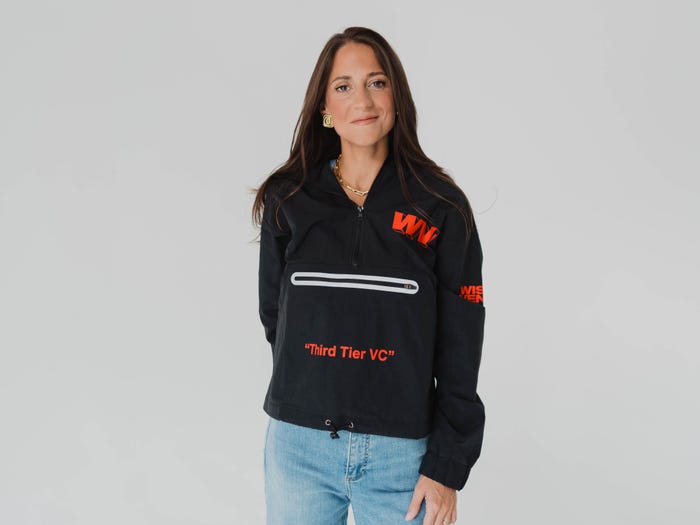
In this post, I'll break down the 30 top investor questions Nichole Wischoff and VCs like her ask, share a founder-focused checklist you can put to work immediately, and give you actionable tips to stand out. You'll get real-world examples, practical answers, and see exactly how this process works in the fintech world and beyond.
1. What is Due Diligence with Nichole Wischoff?
Let's cut through the buzzwords. Nichole Wischoff diligence means investors are examining the health, validity, and growth potential of your business. When Nichole or another top venture capitalist reviews your deal, they're not just skimming your pitch deck. They're double-clicking into your traction, team, data, and risks. It's like a deep diagnostic check before buying a car—a must for both buyers and sellers.
2. Why Is Due Diligence Critical for Seed Rounds?
Even in early rounds, investors want confidence. For seed-stage startups, the bar is high because there’s less history and more risk. Nail your diligence and you:
- Shorten your fundraising timeline
- Build trust with investors
- Spot gaps before someone else does
For an in-depth look at early-stage strategy, check out our post: How to Raise a Seed Round Like a Pro.
3. What Are the Key Sections in a Fintech Data Room?
A fintech data room needs more than a couple of PDFs. Here's what stands out:
- Company Formation Docs (articles, bylaws)
- Financial Statements (3-year P&L, forecasts)
- Customer Metrics (churn, LTV, CAC by cohort)
- Compliance & Licensing (especially critical in fintech)
- Cap Table & Option Grants
- Team Bios and References
The more organized you are, the more credible you look.
4. What Questions Does Nichole Wischoff Actually Ask?
Nichole is known for direct, insightful questions. Here are a few examples:
- "Why are you the right team for this problem?"
- “What’s your real moat—code, data, relationships?”
- “How do you know your core customer better than anyone?”
She’ll stress-test your assumptions and expect data to back them up.
5. How Can Founders Prepare for Investor Questions?
The trick is preparing well-reasoned, concise answers that tie back to your mission and metrics. Practice with your team. Role-play tough questions. Keep your answers brief but substantive. It’s less about having all the answers—more about showing you know what you don’t know.
6. What’s on the Ultimate Due Diligence Checklist?
Here’s a ready-to-use checklist for your next round:
- Legal: Articles of Incorporation, convertible notes, option pool
- Financial: 3 years financials, projections, revenue metrics
- Product: Roadmap, KPIs, demos/screenshots
- Customers: Reference list, reviews, sales pipeline
- Compliance: Licenses, regulatory docs (especially in fintech)
- Team: Bios, LinkedIn, advisor agreements
- Cap Table: Fully diluted spreadsheet
- Intellectual Property: Trademarks, patents, code ownership
Download our template or see more in our detailed SaaS Due Diligence Checklist.
7. How Long Does Venture Capital Due Diligence Take?
For pre-seed and seed deals, diligence can take as little as 1 week or up to 6 weeks. Speed depends on:
- How organized you are
- How quickly you respond to requests
- Whether legal or compliance snags arise
Pro tip: Keep a "hot" data room live even when you're not fundraising. Investors love a founder who is ready.
8. What Mistakes Do Founders Make in Diligence?
I've seen these trip people up:
- Missing or incomplete docs (especially financials and cap table)
- Lack of regulatory readiness (fintech founders, take note)
- Inflated metrics or hand-wavy answers
- Poor explanation of market and competitor positioning
- Ignoring soft factors like founder references
Remember, honesty and clarity beat spin every time.For more tips on founder readiness, see Why Do Founders Get Rejected by VCs?.
9. What’s Unique About Fintech Diligence?
Fintech startups have an extra burden: compliance. Expect deep dives on your licensing, AML/KYC processes, security, and vendor due diligence. If you’re pre-launch, investors want to see plans—not just intentions—for how you’ll handle regulatory hurdles.
10. How Should Founders Structure Their Pitch for VC Diligence?
Your pitch deck should double as a roadmap for the data room. Every major claim or metric needs backup. If you say you’re “growing 25% MoM,” have the customer breakdown to prove it. If you claim a huge market, show the bottom-up TAM. Hyperlinks and appendix slides are your friends.
11. What Are the Top 30 Nichole Wischoff Diligence Questions?
Here are the "greatest hits" that repeat across deals:
- Who are your actual users and why do they love you?
- What specific problem are you solving?
- How big is this problem in dollars?
- Why does this need solving now?
- Who are the top three competitors?
- How is your product truly differentiated?
- Where did your key insight come from?
- What's your founding team's history?
- What traction do you have—real metrics only
- What does your revenue model look like?
- Customer acquisition cost vs. LTV?
- When does this get profitable?
- How defensible is your tech or data?
- Which compliance risks worry you?
- How well do you know your regulatory requirements?
- Who owns the IP?
- What's happening in the broader market?
- Why are you raising now?
- How will you use the funds?
- How do you manage burn?
- How diverse is your team and why?
- Describe your company culture
- How have you managed founder disagreements?
- Reference customers and their stories
- Pipeline forecast—what are next big logos?
- Top three product risks?
- Go-to-market plan detail?
- Exit scenarios—could this be a billion-dollar company?
- Why should I trust you with my money?
- What will you do if you miss targets?
Use these as practice questions in your weekly team meetings.
12. Which Team Documents Must Be Ready?
Investors aren’t just betting on the business—they’re backing you. Prepare:
- Founders’ resumes and LinkedIn profiles
- Advisor/consultant agreements
- Employment contracts
- Founder vesting schedules
- Reference contacts
Good founder references? That’s pure gold.
13. How Do I Present Financials and Metrics?
Transparency wins. Follow these steps:
- Start with a summary dashboard (ARR, burn, cash runway)
- Break down cohorts (customer type, channel, churn)
- Highlight any anomalies (COVID dips, etc) with an explanation
- Add footnotes for projections and key assumptions
Don’t oversell. If you’re pre-revenue, lay out leading indicators (signups, pilots, partnerships).
14. What About Market and Competitor Analysis?
Nichole Wischoff diligence always examines market understanding. Prepare:
- A TAM/SAM/SOM slide (ideally with a bottoms-up approach)
- A competitive landscape grid
- Customer alternatives (including "do nothing" and incumbents)
- Why you win—even against big, entrenched players
Dive deeper in The Right Way to Size a Market for Venture Capital.
15. How Do I Handle Legal and IP Diligence Questions?
No one likes legal surprises. Check all boxes:
- Founders actually own company IP
- No lingering founder or employee disputes
- All contractor agreements assign work product
- Key trademarks and domains owned and documented
If you’re still sorting this out, flag it proactively and share your action plan.
16. What About Diversity, Culture, and Founder Fit?
Investors want to see:
- You hire beyond your own network
- You handle stress and rebound from setbacks
- How you make decisions
- Real talk: If there’s challenging founder dynamics, own it and share how you resolve them
It’s about trust and shared values, not sounding perfect.
17. What Should I Do If Docs Aren't Ready?
If your data room isn’t finished, be transparent. Say, "I’m updating our YTD financials now and can share by date." Investors appreciate honesty and quick follow-ups. Don’t ghost or delay awkward conversations.
18. How Can Founders Stand Out in Diligence?
Small things matter:
- Personalize the data room—include a video intro or team video
- Reference real customer stories and testimonials
- Overcommunicate timelines and next steps
- Promptly answer follow-up questions
Little touches signal you’re a true operator, not just a pitch artist.
19. What Are the Latest Trends in Venture Capital Diligence?
The process keeps evolving:
- Automated data rooms powered by AI
- Third-party background checks on founders
- More focus on climate and mission-driven businesses
For more on the future of fundraising, see How AI is Changing Venture Capital.
20. Sample Ready-to-Use Due Diligence Checklist
Here is your downloadable checklist. Copy, adapt, or print for your next round:
- Pitch Deck (latest)
- Articles of Incorporation
- Financial Model (with assumptions broken out)
- 3 Years Historical Financials
- Board Consent Docs
- Customer Pipeline/Case Studies
- Churn/Cohort Analysis
- Key Team Bios and References
- Cap Table (including SAFE/notes)
- Licenses/Regulatory Approvals
- Key IP Assignment Docs
- Vendor/Partner Contracts
- Customer Testimonials
- Founder Reference List
- Product Demos or Screenshots
Make a copy; update weekly. The founder who’s always "diligence ready" always stands out.
Frequently Asked Questions about Nichole Wischoff Diligence and Founder Preparation
What sets Nichole Wischoff's diligence apart?She asks practical, hard-hitting questions and expects fact-based answers specific to your market, especially in fintech.How do I share my data room with investors?Use a secure, cloud folder (Google Drive, Dropbox, or specialized platforms) and provide view-only access unless otherwise requested.What if there's a gap in my documents?Flag it transparently, share ETA for completion, and explain any workarounds.How important is compliance for fintech founders?Critical. If you’re not fully compliant yet, show a clear plan and timeline for being ready before launch.How do I handle a tough question I can't answer?Acknowledge it, outline your learning plan, and offer a follow-up. No one expects perfection—just real hustle.What’s the best way to organize a due diligence checklist?Group docs by theme: legal, financial, product, customers, team, compliance. Use folders and a master index doc.What metrics should I prioritize for fintech?Churn, LTV/CAC, transaction volume, regulatory approval status, and customer feedback.Should I include failed experiments in my data room?Yes, if they show learning and progress. Transparent founders earn more trust.How can I make my due diligence process faster?Keep docs updated, anticipate FAQs, and use templates/checklists to save time for both sides.Is founder reputation really checked?Absolutely. Investors will reference founders in their networks. Having ready references is a huge plus.
Conclusion
Taking time to nail Nichole Wischoff diligence isn’t just about passing a test—it’s about showing you’re an operator founders and investors want to work with. Prep your checklist, practice your answers, and build the muscle of being “always diligence ready.”
Subscribe to Capitaly.vc Substack to raise capital at the speed of AI.

.png)