
Nichole Wischoff Portfolio Map: Top Fintech Infrastructure Investments and Lessons for 2025 Seed Rounds
Discover the top fintech infrastructure bets in the Nichole Wischoff portfolio, key lessons for 2025 seed rounds, portfolio analysis, and unique VC insights.
.png)
Have you wondered how certain venture capitalists spot fintech infrastructure gems ahead of the curve? The Nichole Wischoff portfolio is a blueprint for understanding what makes a winning fintech infrastructure seed investment – and it’s filled with lessons for founders and investors prepping for 2025 seed rounds.
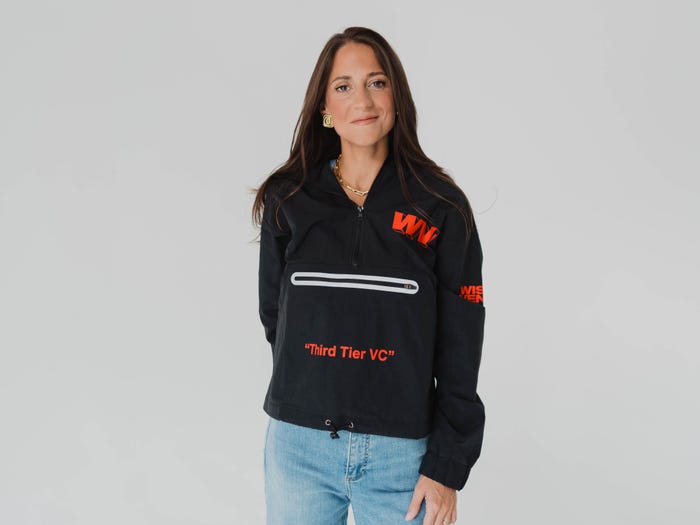
In this guide, I’ll walk you through the Wischoff Ventures investments that defined fintech in the last cycle, dissect her unique due diligence strategies, and highlight what the next generation of founders and seed investors can learn for staying competitive. We’ll analyze case studies, map her most successful bets, and share actionable tips you won’t find in generic VC blogs.
1. Who is Nichole Wischoff and Why Does Her Portfolio Matter?
To understand what sets the Nichole Wischoff portfolio apart, you have to know the person. Nichole’s journey from builder at Blend to founder of Wischoff Ventures made her a trusted name among fintech founders seeking more than just capital.
- She invests mostly at pre-seed and seed stages in fintech infrastructure.
- Her approach blends operator empathy with a relentless focus on infrastructure, not just consumer apps.
- This unique focus results in outsized returns and early identification of industry-defining startups.
For more on operator-led VCs, see our blog post: When Operators Fund Operators: Why Founder-VCs Have the Edge.
2. What Makes Wischoff Ventures Investments Stand Out?
Wischoff Ventures makes concentrated bets. That means:
- High conviction, low volume.
- A focus on platforms, APIs, and tools for fintech builders (not end consumers).
- Clear anti-portfolio discipline—passing on hot trends if they lack infrastructure backbone.
This discipline means every check is a learning opportunity for founders.
3. Mapping the Wischoff Ventures Portfolio: Notable Fintech Infrastructure Companies
I’ve mapped out standout Wischoff Ventures investments that highlight her thesis:
- Unit: Banking-as-a-Service APIs for fintechs.
- Vesta: Fraud prevention infrastructure.
- Stripe ecosystem bets: Payments and embedded finance tooling.
- Lithic: Card issuing platform.
These companies have become core plumbing for B2B and consumer fintech innovation in North America.
4. Deep Dive: Unit and the Rise of Embedded Finance
If you want to learn what makes a winning seed-stage fintech infrastructure bet, look at Unit. Wischoff’s early confidence in embedded finance platforms led to outsized returns and validated her ‘API-first’ thesis.
- Invested pre-series A, before ‘BaaS’ was hot.
- Product-market fit through enabling dozens of new fintech startups.
- Demonstrated resilience during market pullbacks.
5. Lessons from Vesta: Prioritizing Fintech Security Infrastructure
It’s easy to chase shiny consumer fintechs. But Vesta, a risk and fraud mitigation engine, is proof that “gritty” infrastructure—like fraud detection and compliance—wins long-term.
- Early investment gave Wischoff a front-row seat as fraud risk soared during e-commerce booms.
- Alignment with regulatory shifts and rising transaction volumes.
For more on compliance tech, see our blog post: RegTech's Next Wave: How AI is Changing Compliance.
6. Stripe APIs and the Power of Ecosystem Betting
Some of Wischoff’s best investments are “meta” bets on existing fintech stacks. Backing companies that extend platforms like Stripe, Plaid, or Alloy gives her built-in distribution advantages.
- Platform adjacency reduces GTM risk.
- Easier validation: These tools immediately solve known pain points for developers.
7. Why Lithic Is an Underrated Card Issuing Infrastructure Case Study
Lithic powers rapid launch of branded payment cards for tech startups. Wischoff’s thesis: infrastructure that accelerates time-to-market is a predictable winner, especially in an uncertain environment.
- Lithic quietly became essential to dozens of new fintechs in 2023-2024.
- It’s a model for ‘shovel-sellers’ in a gold rush.
8. Wischoff Portfolio Analysis: Common Patterns Between Winners
Reviewing the Nichole Wischoff portfolio, three traits are clear in most winners:
- APIs over apps: Infrastructure bets beat front-end consumer products.
- Mission-critical: Her startups become non-optional for their users.
- Founder obsession: Many are led by deeply technical, “in the weeds” teams.
Contrast this to the VC herd chasing the next big neobank or lending 'app.'
9. Key Lessons for Raising a 2025 Fintech Seed Round
If you’re a founder raising for a 2025 seed round, the Nichole Wischoff portfolio has several lessons:
- Sell infrastructure that replaces or automates manual, regulated processes.
- Show clear API-first, developer-centric adoption.
- Avoid ‘me-too’ apps with thin moats.
- Be prepared for deep technical and regulatory due diligence from infrastructure-focused VCs.
10. What 2025 Seed Trends Can We Learn from Wischoff's Bets?
Looking ahead, the smartest seed rounds will reflect these 2025 trends, inspired by her playbook:
- Regtech and compliance tools: Growing complexity = opportunity.
- Cross-border fintech infrastructure: New rails for global payments and compliance.
- AI-native workflow platforms: Infrastructure for smarter, not just cheaper, financial operations.
- Platform integration: Startups that plug into existing fintech giants’ APIs.
11. Case Study: Founder Relationships and Value-Add Beyond Capital
Nichole Wischoff’s value isn’t just her check. Multiple founders in her portfolio cite:
- Hands-on operational advice from her Blend days.
- Extensive founder network and talent referrals.
- Pre-product-market fit troubleshooting and sounding board sessions.
This is active capital, not passive capital.
12. The Wischoff Deal Sourcing Playbook
How does Nichole source the deals before the crowd?
- Relentless networking in engineering and compliance circles.
- Hyperfocus on API-first, infrastructure-obsessed founders before they show traction.
- Pattern-matching from her operator experience, not just VC pattern-book hype.
For more about effective deal sourcing, see our blog post: How VCs Actually Find Their Best Deals.
13. Portfolio Analysis: Avoiding Common Fintech Seed Round Mistakes
Learning from her portfolio, there are a few common pitfalls first-time fintech founders should avoid:
- Confusing “distribution” for “infrastructure stickiness.”
- Ignoring regulatory complexity until post-seed.
- Building too shallow an API or lacking focus on developer UX.
14. How Nichole Balances Concentration vs. Diversification
Unlike the spray-and-pray approach of some seed funds, Wischoff Ventures is tightly concentrated on a few names per year.
- Deeper involvement in each startup.
- Willingness to follow on in tough times rather than abandon companies at the first sign of trouble.
15. Talent Strategy: How Her Portfolio Approaches Fintech Hiring
Her investments often benefit from collective access to a vetted talent pool focused on:
- API platform engineers.
- Compliance/regulatory technologists.
- Growth and developer evangelism experts.
This dramatically shortens the time to scale technical teams post-seed.
For founder hiring strategies, check out our blog post: Founder Hiring Hacks: Scaling Your Startup Team in 2024.
16. The “Shovel Seller” Strategy and Why It Endures
A key theme in the Nichole Wischoff portfolio: many winners are “shovel sellers.” Instead of competing with hundreds of neobanks, her portfolio provides the picks and shovels (infrastructure) that those startups depend on.
- This reduces competitive risk.
- It scales as the entire ecosystem grows, not just one winner-takes-all app.
17. Navigating the 2025 Macro: Resilience in Volatile Markets
Fintech cycles are getting shorter, but Wischoff’s infrastructure bets have weathered:
- Interest rate spikes.
- Banking failures.
- Regulatory whiplash.
Mission-critical tools that “keep the system running” stay relevant regardless of macro trends.
18. Competitive Advantages of Wischoff Ventures
What allows the Nichole Wischoff portfolio to stay ahead?
- Impeccable network in both fintech startups and regulated banks.
- Proprietary deal flow from technical founder circles.
- Operator experience provides real-world diligence filters.
19. What Founders Should Know Before Pitching Wischoff Ventures
Founders aiming for a spot in the portfolio should:
- Articulate a clear pain point in banking, payments, compliance, or money movement.
- Show early customer love—especially among other fintech developers.
- Be ready to discuss regulatory edge (not just features).
20. Nichole Wischoff’s Evolving Investment Thesis for 2025 and Beyond
For 2025, trends in the Nichole Wischoff portfolio will include:
- AI-enhanced risk and compliance engines.
- Fintech infrastructure for underserved markets (LatAm, Africa).
- More “middleware” platforms—tools that unify legacy and new banking rails.
Staying close to regulatory edges and picking startups that power up the next ten years of fintech innovation will remain core.
Frequently Asked Questions
- Who is Nichole Wischoff?
She’s the founder of Wischoff Ventures, known for seeding top fintech infrastructure startups. - What kind of startups does Wischoff Ventures invest in?
Mainly API-first, infrastructure-focused fintech companies at pre-seed and seed stage. - Can I see a full list of Wischoff Ventures investments?
Some portfolio companies are public (e.g., Unit, Lithic, Vesta), but the full list is not always disclosed. - How is Wischoff Ventures different from other VC funds?
Hyper-concentrated, hands-on, and focused on fintech infrastructure—not consumer apps. - How do I pitch Wischoff Ventures?
Emphasize developer traction, API-centricity, and real infrastructure pain points. - What are the biggest fintech infrastructure trends Wischoff is betting on for 2025?
AI compliance tools, cross-border rails, middleware, and regtech upgrades. - What does ‘shovel seller’ mean in this context?
It refers to startups that sell core infrastructure to others, rather than competing with them directly. - Why does regulatory expertise matter in fintech seed rounds?
Compliance is a key moat; VCs like Wischoff look for regulatory edge as much as product features. - What are some common fintech seed round mistakes?
Underestimating regulatory complexity, thin technical moats, and chasing consumer buzz. - How does Wischoff support founders after investment?
Hands-on operational advice, founder community, and recruiting help—much more than money.
Conclusion
The Nichole Wischoff portfolio offers a real-world playbook for spotting and scaling fintech infrastructure startups in volatile markets. Her concentrated approach, pattern-matching from operator experience, and relentless focus on mission-critical APIs provide lessons that every fintech founder and VC for 2025 should study. For more investing guides and fundraising strategies, subscribe to Capitaly.vc Substack (https://capitaly.substack.com/) to raise capital at the speed of AI.

.png)