From Loopt to OpenAI: The Evolution of Sam Altman’s Startup Journey
A practical guide to from loopt to openai: the evolution of sam altman’s startup journey, with practical steps and examples for founders.
The Capitaly Team9 min read
Ever wondered how a failed location-sharing app became the unlikely launchpad for the world’s most influential AI company? You’re not alone. Founders, hustlers, and tech fans everywhere are asking:
- How did Sam Altman go from Loopt’s flop to OpenAI’s rocket ship?
- What did Y Combinator teach him that most people overlook?
- And-real talk-what can you steal from his playbook for your own startup?
Let’s break it down. No fluff. Just actionable insights you can use.
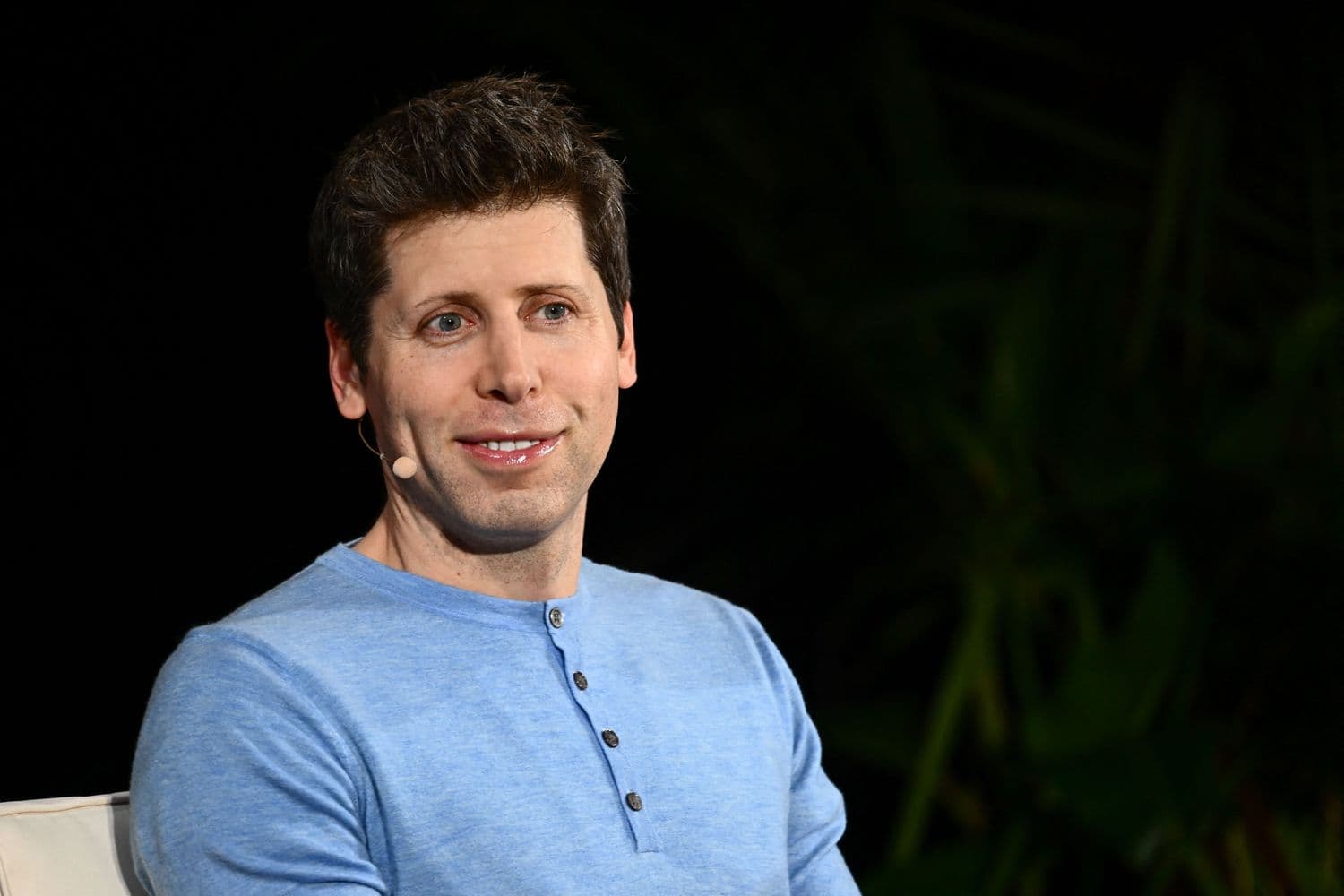 From Loopt to OpenAI: The Evolution of Sam Altman’s Startup Journey
How Loopt’s Failure Shaped Sam Altman’s Vision for OpenAI
Loopt was supposed to be the next big thing in social apps. It got into Y Combinator, raised millions, and… fizzled out. Why?
- Market wasn’t ready: Location-based social networking was ahead of its time.
- Product didn’t stick: User retention was low, and the value proposition wasn’t clear.
- Competition ate their lunch: Giants like Facebook quickly moved into the space.
But here’s what most people miss: Sam Altman didn’t just walk away with a loss-he walked away with a playbook.
Key Lessons Sam Learned from Loopt:
- Pivot fast: Don’t get attached to your first idea.
- User feedback > ego: Listen to real users, not just your gut.
- Fail early, not late: Early failure is cheaper and more educational.
These lessons became the DNA of OpenAI’s approach.
Summary:
- Loopt’s failure was a masterclass in humility and adaptation.
- Sam learned to prioritize speed, feedback, and flexibility.
- These principles became foundational at OpenAI.
Related Reading:
- Insane Startup Stories
- Are You Ready to Attract Investors? Read This First
Y Combinator’s Role in Building the Next Generation of AI Startups
Y Combinator (YC) isn’t just a funding machine-it’s a mindset shift. When Sam Altman became YC’s president, he doubled down on:
- Iterating quickly: Ship, learn, repeat.
- Listening to users: Build what people actually want.
- Building for scale: Focus on solving real problems, not just chasing hype.
He saw how companies like Airbnb and Dropbox grew by relentlessly solving user pain points. He baked that into OpenAI’s culture.
YC’s Mentorship Model:
- Accountability: Regular check-ins and honest feedback.
- Community: A network of founders, mentors, and investors.
- Relentless focus on product-market fit: Don’t stop until you find it.
OpenAI didn’t just build cool tech-they built products people actually wanted to use.
Summary:
- YC’s culture shaped Sam’s leadership style.
- OpenAI’s iterative, user-focused approach is pure YC.
- Community and mentorship are force multipliers.
Related Reading:
- Demo Day Presentations
- Calling All Founders: How to Raise Capital Like a Pro
Lessons from Loopt: What Every Founder Can Learn from Early Setbacks
Let’s get tactical. Here’s what Loopt taught Sam Altman-and what you should steal:
- Don’t fall in love with your first idea: If it’s not working, kill it or pivot.
- Talk to users: Get feedback from real users, not just friends or family.
- Speed beats perfection: Ship, learn, iterate.
- Failure isn’t fatal: It’s tuition for future success.
Summary:
- Early setbacks are learning opportunities.
- User feedback and speed are your best friends.
- Failure is a stepping stone, not a dead end.
Related Reading:
- Fundraising is a Process, Not a Project
- Common Misconceptions About Raising Capital
Inside Y Combinator: How Sam Altman Fostered Innovation Before OpenAI
Sam didn’t just run YC-he leveled it up. He pushed founders to:
- Think bigger: Don’t settle for incremental change.
- Move faster: Speed is a competitive advantage.
- Take smarter risks: Calculated bets, not reckless gambles.
He brought in world-class mentors, built a powerful network, and made “default alive” the mantra for every founder.
Summary:
- Sam’s leadership at YC raised the bar for founders.
- He emphasized ambition, speed, and smart risk-taking.
- These values carried over to OpenAI.
Related Reading:
- Cracking the Code: Understanding What Startup Investors Really Want
- The Mindset Behind Bootstrapping Success in Self-Financed Startups
The Untold Story of Loopt: Y Combinator’s Early Bet on Sam Altman
YC gave Loopt $6k per founder-not much, but it was a bet on grit and potential. Loopt didn’t win, but Sam did. He learned how to build, fail, and build again.
Summary:
- YC’s early investment was about betting on founders, not just ideas.
- Loopt’s journey gave Sam the resilience and experience he needed for future success.
Related Reading:
- From Zero to Hero: How Our Platform Helps Founders Raise Capital
How Y Combinator’s Playbook Influenced OpenAI’s Breakthroughs
OpenAI didn’t just drop ChatGPT out of nowhere. They:
- Launched early versions: Got real-world feedback fast.
- Listened to users: Iterated based on what people actually wanted.
- Iterated like crazy: Never stopped improving.
That’s pure YC: test, learn, repeat.
Summary:
- OpenAI’s agile approach is straight from the YC playbook.
- Early launches and rapid iteration drove their breakthroughs.
Related Reading:
- AI Startup Valuations: The Reality Check You Need for Fundraising Success
- 20 Comprehensive ChatGPT Prompts to Elevate Your Venture Capital Raising Strategy
Sam Altman’s Startup Playbook: From Loopt to Leading OpenAI
Here’s the cheat sheet:
- Start small, think big: Begin with a focused MVP, but have a bold vision.
- Fail fast, learn faster: Don’t be afraid to pivot.
- Build a killer team: Surround yourself with talent and drive.
- Stay obsessed with the user: User needs come first, always.
Summary:
- Sam’s playbook is about ambition, speed, and user obsession.
- The right team and willingness to pivot are non-negotiable.
Related Reading:
- Build a Tribe: The Founders Guide to Funding
- 35 Hot AI Startup Ideas to Ignite Your Entrepreneurial Journey
Why Loopt Failed-and How It Fueled OpenAI’s Success
Loopt failed because it didn’t solve a burning problem. OpenAI won because it did. Simple as that.
Summary:
- Solving real, urgent problems is the key to startup success.
- Failure is only fatal if you don’t learn from it.
Related Reading:
What Startups Can Learn from Sam Altman’s Journey Through YC and OpenAI
- Embrace failure: It’s part of the process.
- Iterate relentlessly: Never stop improving.
- Surround yourself with smart people: Your network is your net worth.
- Never stop learning: Stay curious and open-minded.
Summary:
- The best founders are resilient, iterative, and always learning.
Related Reading:
- Startup Funding Made Easy: Your Comprehensive Roadmap Awaits
- 25 Deep Tech Startup Ideas to Kickstart Your Entrepreneurship
The Impact of Y Combinator Mentorship on OpenAI’s Growth
YC’s network is a cheat code. Mentors, investors, and fellow founders all pushed OpenAI to move faster and smarter.
Summary:
- Mentorship and community accelerate growth.
- Leverage your network for feedback, support, and accountability.
Related Reading:
- Assisted Fundraising for Startups
- Building Trust with VCs: Questions You Shouldn’t Ask
How Loopt’s Lessons Shaped OpenAI’s Approach to Artificial Intelligence
Loopt taught Sam to:
- Stay humble: Success isn’t guaranteed.
- Listen more than you talk: User feedback is gold.
- Pivot when the data says so: Don’t get stuck on a bad idea.
OpenAI’s success? It’s not magic-it’s process.
Summary:
- Humility, listening, and data-driven pivots are essential for innovation.
Related Reading:
- Optimize Fundraising
- Strategic Capital Raising: Shifting Focus from Necessity to Opportunity
Sam Altman’s Pivot: From Location Apps to Artificial General Intelligence
From Loopt to OpenAI, it’s all about:
- Spotting trends early: See where the world is going.
- Taking calculated risks: Don’t be reckless, but don’t be timid.
- Learning from every loss: Every failure is a lesson.
Summary:
- Vision, risk-taking, and learning from failure are the keys to big pivots.
Related Reading:
Scaling Ethically: What OpenAI Learned from Y Combinator’s Best Practices
YC drilled in:
- Build for the long term: Don’t chase short-term wins.
- Don’t cut corners: Quality and ethics matter.
- Do the right thing, even when it’s hard: Integrity is non-negotiable.
OpenAI’s focus on safety and ethics? That’s straight from the YC playbook.
Summary:
- Long-term thinking and ethics are competitive advantages.
Related Reading:
- Navigating Ethical Waters: Asking Investors for Funding and Personal Compensation
The Power of Iteration: Comparing Loopt’s Roadmap to OpenAI’s Agile Strategy
Loopt stuck to its roadmap-even when it wasn’t working. OpenAI? They pivoted, iterated, and shipped fast.
Lesson:
- Be flexible.
- Move fast.
- Don’t get stuck.
Summary:
- Agility and willingness to change course are critical for startup survival.
Related Reading:
- Fundraising is a Process, Not a Project
- 5 Steps to Create an Outstanding Capital Raising Plan (Free Templates)
How Y Combinator Alumni Like Sam Altman Are Redefining AI Startups
YC grads are everywhere in AI. Why? Because they know how to:
- Test ideas: Validate before scaling.
- Fail forward: Learn from every setback.
- Scale fast: Move quickly when you find product-market fit.
Summary:
- YC’s alumni network is shaping the future of AI.
Related Reading:
- 35 Best Profitable Enterprise SaaS Startup Ideas for Beginners (2024)
From YC Demo Day to ChatGPT: The Milestones in Sam Altman’s Career
- Loopt launch: YC Demo Day, 2005
- YC President: 2014
- OpenAI co-founder: 2015
- ChatGPT launch: 2022
Every step? A lesson learned.
Summary:
- Each milestone built on the last, fueled by continuous learning and iteration.
Related Reading:
- Demo Day Presentations
What Entrepreneurs Can Learn from the Loopt and OpenAI Stories
- Don’t fear failure: It’s part of the journey.
- Build a tribe: Your network is your superpower.
- Stay curious: Never stop learning.
- Iterate or die: Adapt or get left behind.
Summary:
- The best founders are resilient, connected, and always evolving.
Related Reading:
- The Ultimate Guide to Raising Capital for Startups
The Strategic Shifts That Took Sam Altman from Loopt to OpenAI
- From solo founder to team builder: Collaboration beats isolation.
- From chasing trends to solving real problems: Focus on impact.
- From rigid plans to agile execution: Flexibility wins.
Summary:
- Strategic pivots and team building are essential for scaling.
Related Reading:
- Pitch Like a Super Star
How Failure at Loopt Became the Foundation for OpenAI’s Success
Every failure is a foundation. Loopt’s loss? OpenAI’s gain.
Summary:
- Failure is only a setback if you don’t learn from it.
Related Reading:
- Everything You Don’t Want to Know About Raising Capital
FAQs: Loopt, Y Combinator, and OpenAI
Q: What was Loopt, and why did it fail? A: Loopt was a location-based social app. It failed because the market wasn’t ready, and users didn’t stick.
Q: How did Y Combinator help Sam Altman? A: YC gave him funding, mentorship, and a network. More importantly, it taught him how to build, fail, and build again.
Q: What’s the link between Loopt and OpenAI? A: The lessons from Loopt’s failure-pivoting, listening to users, iterating-became the backbone of OpenAI’s strategy.
Q: What can founders learn from Sam Altman’s journey? A: Embrace failure, move fast, build a great team, and never stop learning.
Related Reading:
- 15 Best Cold Email Templates to Improve Investor Email Outreach
- How to Write a Cold Email to an Investor (Samples Included)
Final Takeaway: The Real Y Combinator Playbook
If you’re building something, remember: The road from Loopt to OpenAI wasn’t straight. It was messy, full of pivots, and powered by lessons only failure can teach.
That’s the real Y Combinator playbook. And it’s how Sam Altman turned a flop into a foundation for OpenAI’s dominance.
Loopt. Y Combinator. OpenAI. Three names, one lesson: Fail fast, learn faster, and keep building.
Ready to Raise Capital at the Speed of AI?
Subscribe to Capitaly to raise capital at the speed of AI. Explore more actionable guides and founder stories on our blog. Unlock your next funding round with our leadgen platform and get inspired by crazy things founders have done to raise capital.
Keep building. Keep learning. Your OpenAI moment could be next.