Series A vs. Seed Funding: Key Differences You Need to Know
Compare seed and Series A funding by traction, round size, valuation, dilution, investor expectations, diligence, and the milestones needed to advance.
The Capitaly Team2 min read
Startup funding feels like navigating a financial maze, right?
Let's break down the funding game so you're not left in the dark.
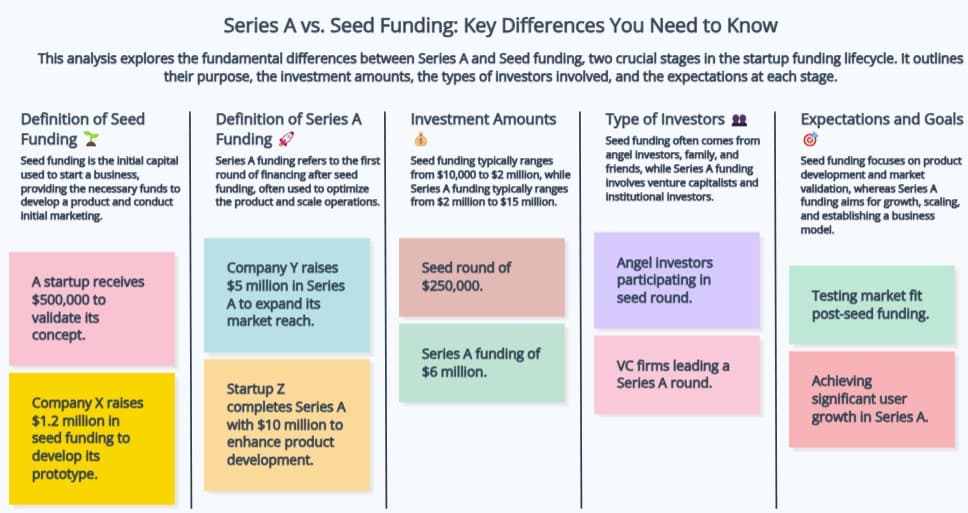 Series A vs. Seed Funding: Key Differences You Need to Know
What Keeps Founders Up at Night
Funding isn't just money.It's survival.It's validation.It's your startup's lifeline.
Founders are wrestling with:
- Where to get initial capital
- Understanding funding stages
- Proving business potential
- Attracting serious investors
Seed Funding: The Startup Spark
What Exactly is Seed Funding?
Think of seed funding like:
- Your startup's first financial oxygen
- Typically $50K - $2M
- Proof of concept money
- Friends, family, angel investors
- Pre-revenue or minimal revenue stage
Seed Funding Characteristics
Key Highlights:
- High-risk investment
- Experimental stage funding
- Supports product development
- Validates market potential
- Minimal business infrastructure
Series A Funding: The Growth Accelerator
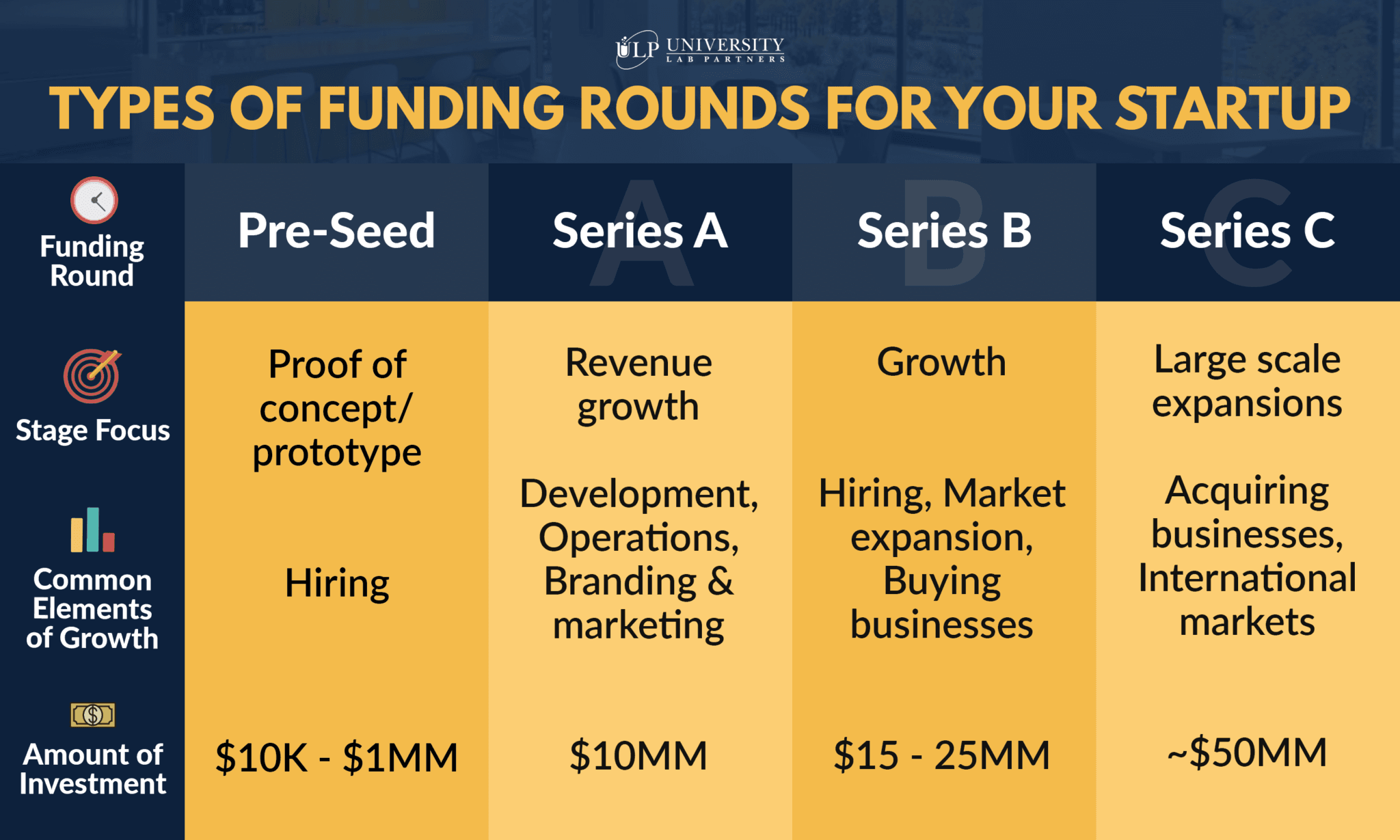 Series A Funding: The Growth Accelerator
What Makes Series A Different?
Series A is like startup puberty:
- $2M - $15M investment range
- Institutional investors enter
- Proven business model required
- Significant growth potential
- Revenue and traction matters
Series A Funding Demands
Investors Want to See:
- Consistent revenue streams
- Clear monetization strategy
- Scalable business model
- Strong team execution
- Market expansion potential
The Brutal Funding Comparison
Seed vs. Series A Showdown
Seed Funding:
- Less money
- More experimental
- Lower investor expectations
- Faster approval process
Series A Funding:
- Substantial capital
- Proven business metrics
- Higher investor scrutiny
- Longer due diligence
Real-World Funding Journey
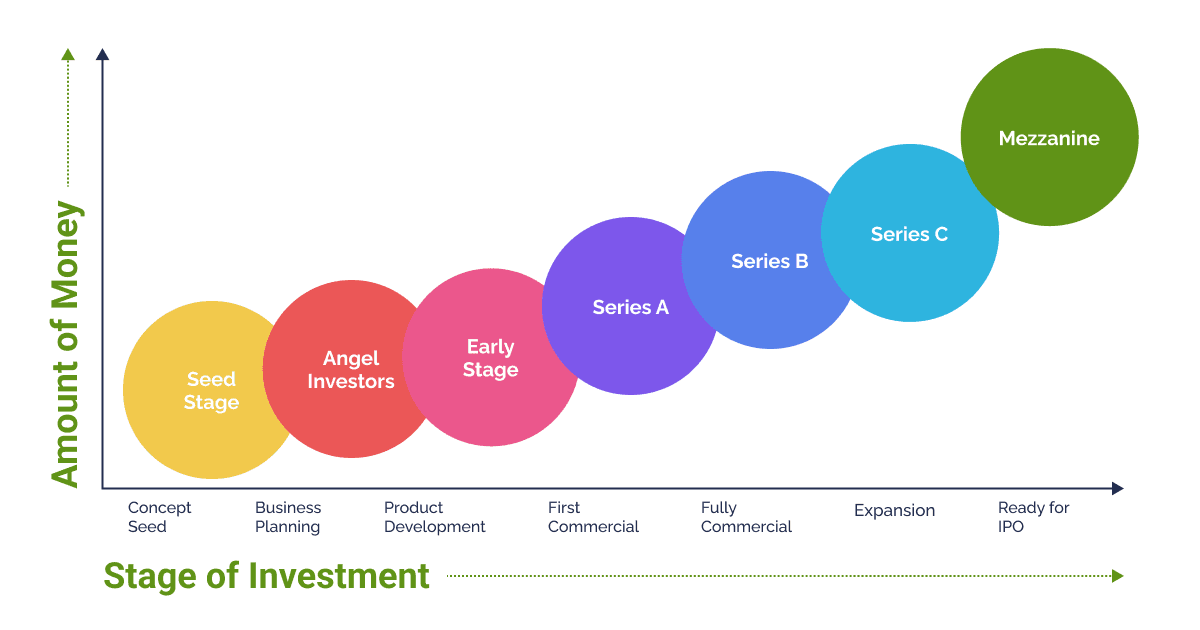 Series A Funding
Case Study: Tech Startup Transformation
Jake's Startup Journey:
- Seed round: $250K from angels
- Developed initial product
- Proved market interest
- Secured $5M Series A
- Scaled team from 5 to 25
Red Flags Investors Avoid
Startup Killers:
- No clear revenue model
- Weak founding team
- Saturated market
- Lack of differentiation
- Poor financial management
FAQs About Startup Funding
**Q: How long between seed and Series A?**A: Typically 12-18 months
**Q: What percentage of equity do investors take?**A: Seed: 10-15%Series A: 20-30%
**Q: Can I skip seed funding?**A: Rare, but possible with extraordinary traction
The Funding Truth Bomb
Funding isn't a lottery.It's a strategic game.
Final Wisdom Drop
Your startup's success isn't about money.It's about solving real problems.
Funding follows impact.Not the other way around.